
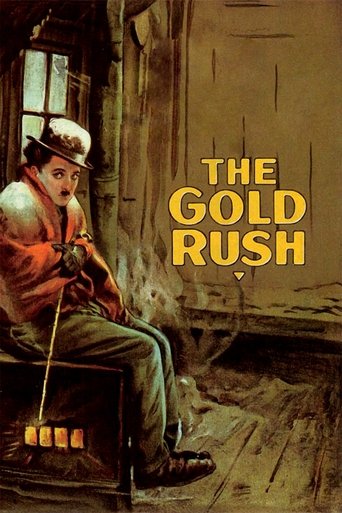
 1925The Gold RushFilm · ★ 8.0
RetroFlix
190 classics arranged by decade, each with its cast, its rating and a Watch now button.
179Films
11TV shows
45Years
317Hours
1925 to 1939
All of 1925 to 1939 (43)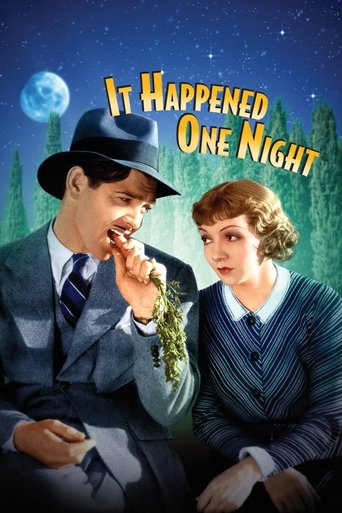 1934
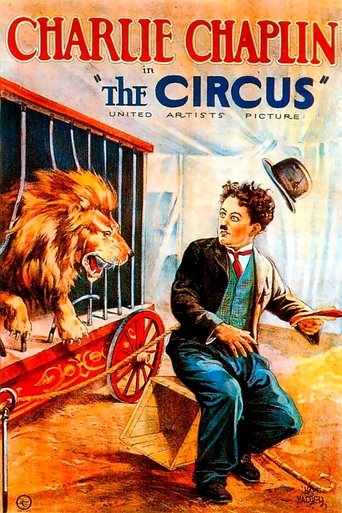 1928
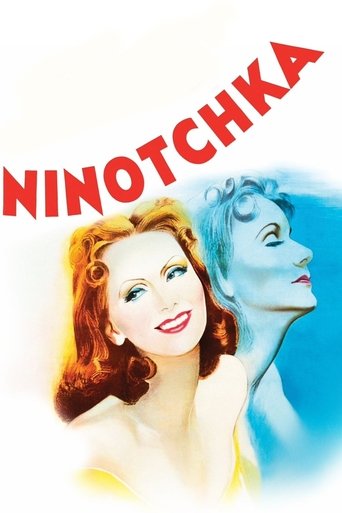 1939
 1936
 1937
The 1940s
All of The 1940s (33)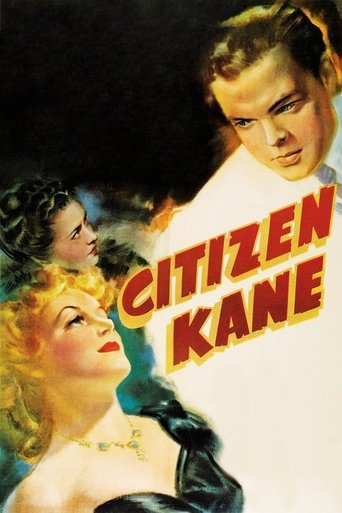 1941
 1940
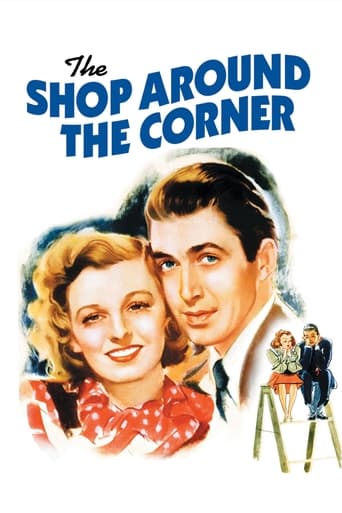 1940
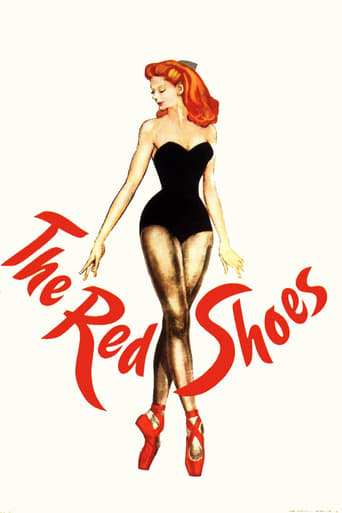 1948
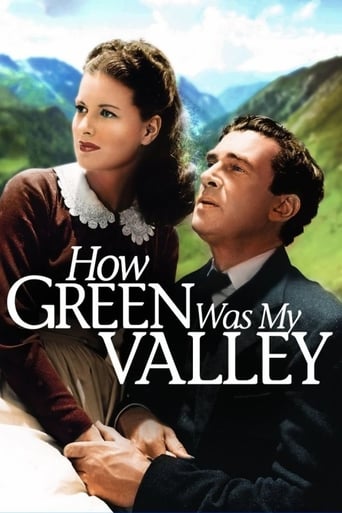 1941
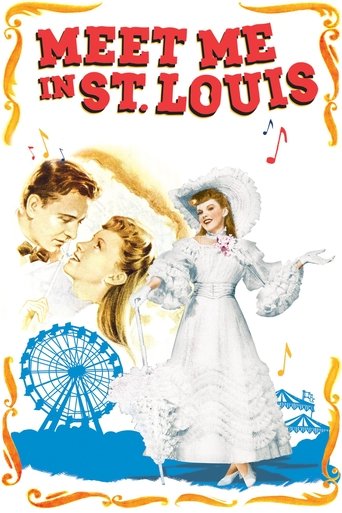 1944
The 1950s
All of The 1950s (54)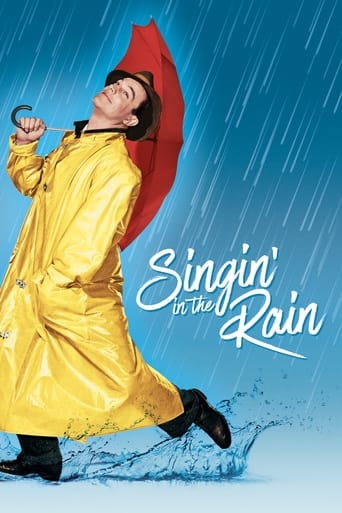 1952
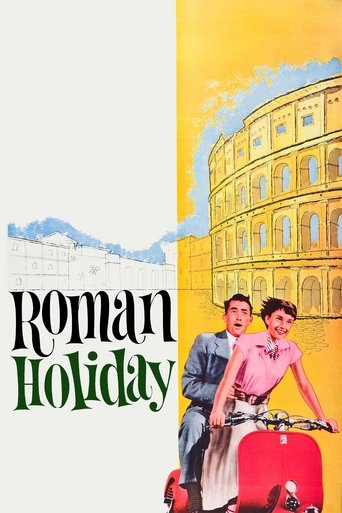 1953
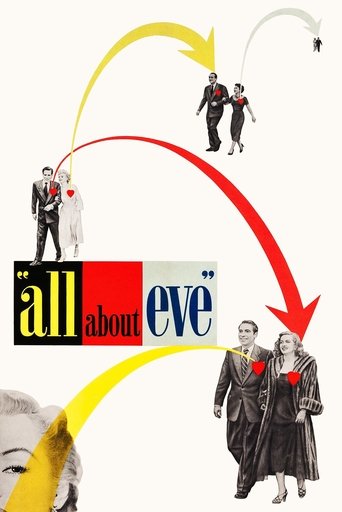 1950
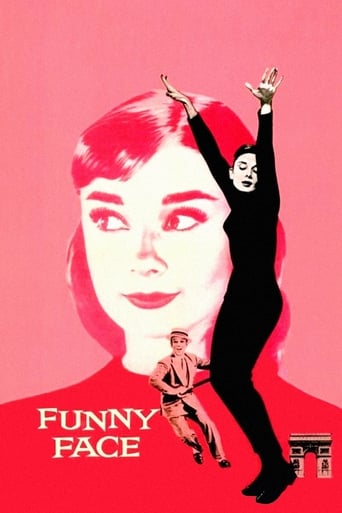 1957
 1952
 1954
The 1960s
All of The 1960s (60)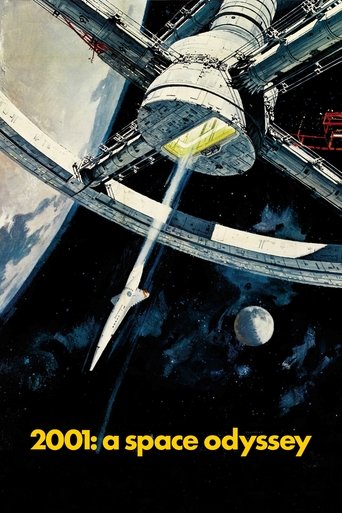 1968
 1964
 1961
 1964
 1968
 1968
Classic TV
All of Classic TV (11)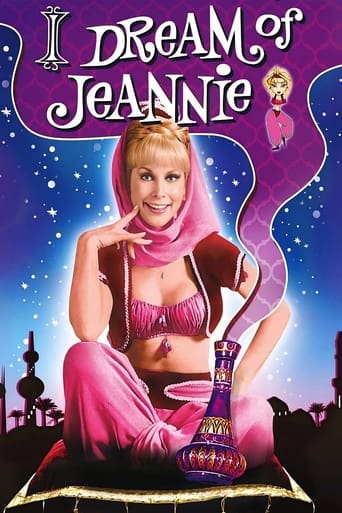 1965
 1969
 1964
 1951
 1966
 1962
Stars and shelves
The RetroFlix guide
RetroFlix: classic movies and old TV shows from 1925 to 1969, from The Gold Rush, Citizen Kane and Singin' in the Rain to Roman Holiday, Mary Poppins and I Love Lucy
RetroFlix is a guide to the films and television that came before colour sets were common and long before anything was streamed. It holds 190 classics made between 1925 and 1969: 179 films and eleven TV shows, arranged by decade, with a page for each that gives the cast, the rating, a summary and one Watch now button. The films alone run to about 317 hours, and the eleven TV shows to more than 4,700 dated episodes.
The word retro can suggest dust. The films here have very little of it. Singin' in the Rain is as quick and funny today as it was in 1952, Roman Holiday is still the model for every romantic comedy set in a beautiful city, and The Gold Rush, which is a century old, still makes children laugh aloud. Each title in the catalogue was screened by hand for a family audience, so what remains is the bright side of the studio era: comedy, song and dance, romance, adventure, westerns with wide skies and dramas with good hearts.
This guide moves through the catalogue decade by decade, then shelf by shelf, and finishes with practical advice. The four-step routine for watching anything on the site is set out in How to watch with RetroFlix.
How RetroFlix works
The home page opens with a purple panel and four counters: the number of films, the number of TV shows, the forty-five years the catalogue spans and the hours of film it contains. Under the panel come five rows of six posters, one row for each of the four decades and one for classic TV. Each poster carries a yellow tag with its year, since on a site like this the year is half the story. A panel named Stars and shelves follows, with eleven further lists and the number of titles in each.
Every title has its own page. The poster, the year, the running time and the score stand at the top, with a short summary and the names of the cast, the director and the studio. A TV show page lists its seasons and dated episodes. Beside the Watch now button is a selector with fifteen countries; press the button and the title opens on JustWatch, which sets out the subscription, rental, purchase and free services that carry it in the country chosen.
The search box understands names and years as well as titles. Typing Hepburn brings up both of them: Audrey in Roman Holiday, Funny Face and My Fair Lady, and Katharine in The Philadelphia Story, Summertime and Desk Set. Typing 1939 brings up a single remarkable year. Finding a title describes every route through the site.
1925 to 1939
The first decade row covers fifteen years and forty-three titles, beginning in the silent era. The Gold Rush of 1925 sends Charlie Chaplin's tramp to the Klondike, where he cooks and eats his own boot with great ceremony and makes two bread rolls dance on the ends of two forks. Buster Keaton's Go West, from the same year, pairs its stone-faced hero with a cow called Brown Eyes. Chaplin's The Circus followed in 1928, with a tightrope walk made harder by a troupe of escaped monkeys.
Sound arrived, and with it a kind of comedy built on talk. It Happened One Night, directed by Frank Capra in 1934, put Clark Gable and Claudette Colbert on a night bus and won all five of the principal Academy Awards. Twentieth Century, My Man Godfrey, The Awful Truth and Easy Living followed, each faster than the last. Ernst Lubitsch contributed The Smiling Lieutenant and, in 1939, Ninotchka, sold with the slogan that Garbo laughs.
The decade also belongs to Fred Astaire and Ginger Rogers, who danced together for the first time in Flying Down to Rio in 1933, and to the kaleidoscopic numbers of Busby Berkeley in Gold Diggers of 1933 and Footlight Parade. It ends with a year often called the finest in Hollywood's history: 1939 gave the catalogue Ninotchka, Wuthering Heights, Only Angels Have Wings, Dark Victory, Dodge City and Bachelor Mother. The four decades page summarises each period.
The 1940s
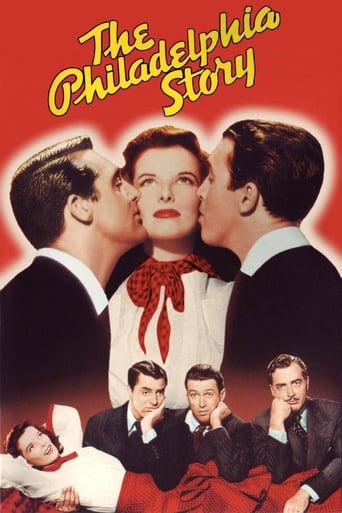
The forties row is the shortest, with thirty-three films, and among the richest. It opens in 1940 with two comedies that are still copied: The Philadelphia Story, in which Katharine Hepburn's heiress is visited on the eve of her wedding by her former husband and a reporter, and The Shop Around the Corner, in which two clerks in a Budapest gift shop quarrel all day while falling in love by letter.
The following year brought Citizen Kane, directed by Orson Welles at twenty-five, which tells the life of a newspaper owner through the memories of those who knew him and one last word. John Ford's How Green Was My Valley, the story of a Welsh mining family, won the Academy Award for best picture that same year. Bette Davis gave one of her warmest performances in Now, Voyager, and Spencer Tracy and Katharine Hepburn began their long partnership in Woman of the Year.
British cinema has two treasures in this row, both by Michael Powell and Emeric Pressburger: I Know Where I'm Going!, a romance in the Hebrides, and The Red Shoes, the ballet film whose colour still astonishes. The decade's family films include Lassie Come Home, National Velvet and The Yearling, and its musicals include Meet Me in St. Louis, Easter Parade and On the Town.
The 1950s
Fifty-four titles represent the fifties, the decade in which cinema grew wider and brighter to compete with the television set. All About Eve opened it in 1950 with Bette Davis as the stage star Margo Channing and a script of famous sharpness; it received fourteen Academy Award nominations. Singin' in the Rain arrived two years later, a comedy about the coming of sound to Hollywood in which Gene Kelly dances through a downpour and Donald O'Connor runs up a wall.
The decade made a star of Audrey Hepburn. In Roman Holiday she is a princess who slips away from her duties for one day in Rome with a reporter, played by Gregory Peck, and the part won her the Academy Award. Funny Face took her to Paris with Fred Astaire. Small films flourished beside the large ones: Marty, the story of a shy butcher from the Bronx, won both the best picture award and the top prize at Cannes.
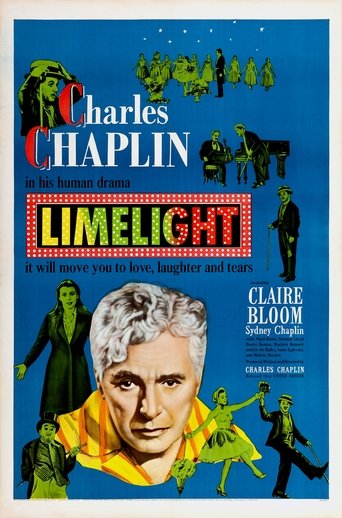
Britain's Ealing Studios supplied The Man in the White Suit, with Alec Guinness as the inventor of a cloth that stays clean for ever, and The Titfield Thunderbolt, about a village that runs its own railway. Chaplin returned with Limelight, set in the London music halls of his youth. The row also holds the first TV shows in the catalogue, I Love Lucy, Lassie, The Honeymooners and Leave It to Beaver.
The 1960s
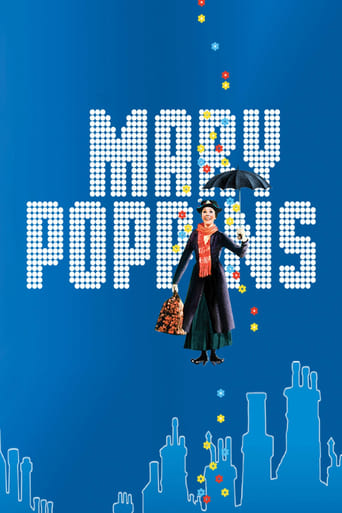
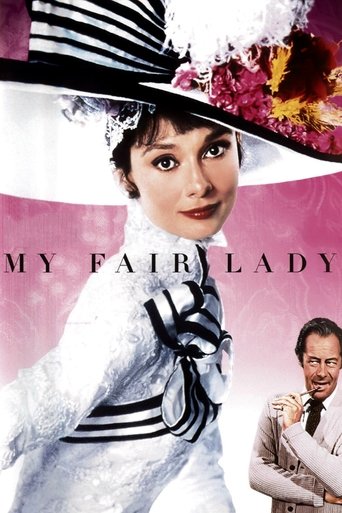
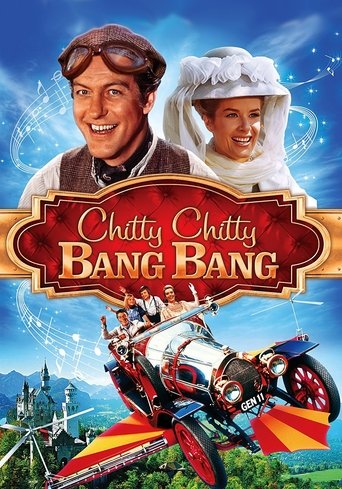
The sixties row is the largest, with sixty titles. Its musicals were events: Mary Poppins and My Fair Lady both appeared in 1964, the first with Julie Andrews as the nanny who arrives by umbrella, the second with Audrey Hepburn as the flower seller taught to speak like a duchess. Chitty Chitty Bang Bang gave Dick Van Dyke a flying car, and Hello, Dolly!, directed by Gene Kelly with Barbra Streisand, closes the catalogue in 1969.
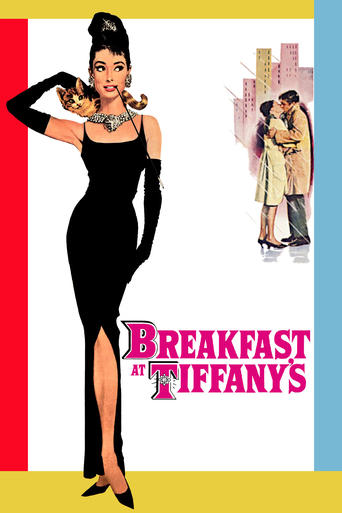
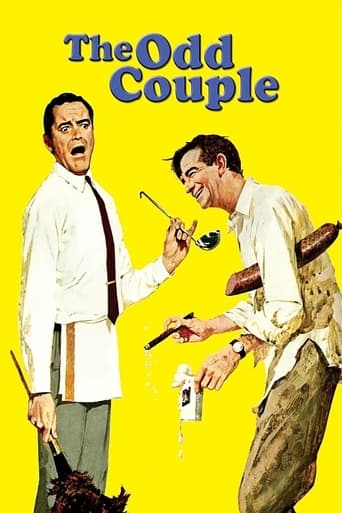
Comedy moved into city apartments. Breakfast at Tiffany's introduced Holly Golightly and the song Moon River. Neil Simon's plays reached the screen as Barefoot in the Park, with Robert Redford and Jane Fonda as newly-weds on a fifth floor, and The Odd Couple, with Jack Lemmon and Walter Matthau as two divorced friends sharing a flat. Cactus Flower won Goldie Hawn an Academy Award for her first major role.
The decade also looked far ahead. Stanley Kubrick's 2001: A Space Odyssey, released in 1968, travels from the dawn of humankind to the moons of Jupiter and gave the cinema its most famous computer. On a smaller scale, The Miracle Worker tells how Annie Sullivan taught the young Helen Keller her first word, and To Sir, with Love has Sidney Poitier as a teacher who wins over a difficult class in the East End of London.
The musicals
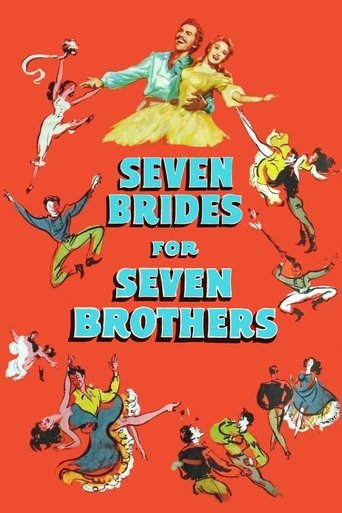
The musicals shelf holds twenty-three films, and a visitor could begin with any of them. The MGM productions set the standard. Meet Me in St. Louis follows one family through the four seasons before the World's Fair of 1904 and introduced a much-loved Christmas song. On the Town gives three sailors a single day in New York. Seven Brides for Seven Brothers contains a barn-raising dance of astonishing athleticism, and Brigadoon finds a Scottish village that wakes for one day in every hundred years.
Fred Astaire appears across three decades of the shelf. With Ginger Rogers he made Follow the Fleet, Shall We Dance and Carefree. With Judy Garland he made Easter Parade. In Royal Wedding he dances up the walls and across the ceiling of a hotel room, and in Silk Stockings, a musical version of Ninotchka, he partners Cyd Charisse. Daddy Long Legs pairs him with Leslie Caron.
Other studios had their triumphs. High Society remade The Philadelphia Story with songs by Cole Porter and a cast of Grace Kelly, Bing Crosby and Frank Sinatra. Oklahoma! and The Pajama Game came from Broadway. The Great Ziegfeld, at 185 minutes the longest film in the catalogue, won the best picture award for 1936, and The Glenn Miller Story has James Stewart as the bandleader. The musicals guide groups the shelf by studio and period.
The clowns
Sixteen films are gathered under the heading of the clowns, the performers who built comedy out of their own bodies. Chaplin has four: The Gold Rush, The Circus, Limelight and A King in New York. In Limelight he shares a scene with Buster Keaton, the only time the two great silent comedians appeared together on film.
The teams come next. The Marx Brothers are represented by A Day at the Races, in which Groucho plays a horse doctor in charge of a sanatorium, and Room Service. Laurel and Hardy sell mousetraps in the Alps in Swiss Miss and carry a piano across a rope bridge. Bob Hope and Bing Crosby take two of their road trips, Road to Morocco and Road to Bali, talking to the audience as they go.
Jerry Lewis closes the line. The Bellboy, the first film he directed, has him as a hotel porter in Miami Beach who barely speaks; it runs for seventy-two minutes and is made of short gags, like a silent comedy with sound effects. The Patsy, The Disorderly Orderly, Who's Minding the Store? and Rock-a-Bye Baby follow the same happy principle. The clowns guide lists all sixteen.
Comedy
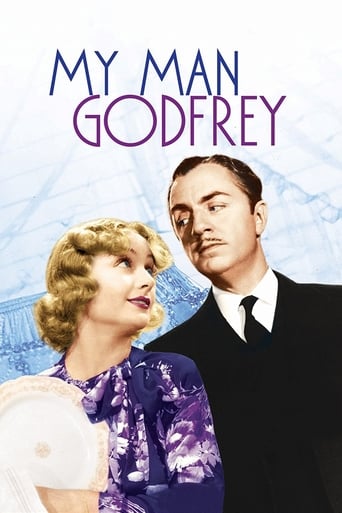
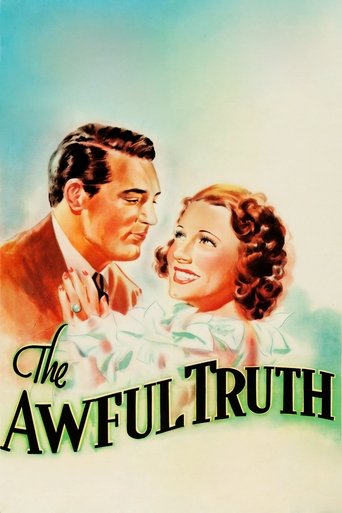
Comedy is the largest shelf on RetroFlix, with 104 titles, and the screwball films of the thirties and forties are its glory. In My Man Godfrey a scatterbrained heiress finds a man living on a city dump and hires him as the family butler; he proves the sanest person in the house. In The Awful Truth Cary Grant and Irene Dunne spend ninety minutes sabotaging each other's new romances. Preston Sturges's The Palm Beach Story sends a wife to Florida in search of a millionaire and supplies her with the Ale and Quail Club on the train.
Howard Hawks directed comedy at a speed few could match. Twentieth Century is a duel between a theatre producer and his star aboard an express train. Monkey Business, eighteen years later, lets a chimpanzee mix a formula for youth and has Cary Grant and Ginger Rogers behave like schoolchildren. His Man's Favorite Sport? gives Rock Hudson the part of a celebrated fishing expert whose knowledge comes entirely from books.
The comedies of manners are as good. The Importance of Being Earnest preserves Edith Evans's Lady Bracknell and her celebrated reaction to a handbag. Born Yesterday won Judy Holliday an Academy Award as a showgirl who discovers books. Desk Set sets Katharine Hepburn's reference librarians against an early computer installed by Spencer Tracy, and Mr. Blandings Builds His Dream House is the truest film made about the cost of a home. The comedy guide sorts the shelf by style.
Romance
Ninety-five titles carry the romance label, since in the studio era nearly every story found room for one. The purest are the journeys. In Roman Holiday the couple have a single day, a scooter and the certainty that it must end. In Summertime, directed by David Lean, Katharine Hepburn plays a secretary from Ohio on her first visit to Venice. Paris When It Sizzles reunites Audrey Hepburn with William Holden as a typist and a screenwriter inventing a film as they go.
The great novels are here in their classic versions: Wuthering Heights with Laurence Olivier and Merle Oberon on the Yorkshire moors, Pride and Prejudice with Greer Garson as Elizabeth Bennet, and Jane Eyre with Joan Fontaine and Orson Welles. Queen Christina has Greta Garbo as the Swedish monarch, and Anastasia brought Ingrid Bergman her second Academy Award.
Some of the best are the quiet ones. Marty is about two lonely people who meet at a dance hall on a Saturday night. Make Way for Tomorrow is the story of an elderly couple spending a last afternoon together in the city where they honeymooned, and Orson Welles said it would make a stone cry. Lili, with Leslie Caron, is about an orphan who joins a carnival and confides in its puppets. The romance guide has further suggestions.
Drama
The drama shelf has seventy-four titles. Its landmarks are well known: Citizen Kane with its deep shadows and its sled, All About Eve with its dressing rooms and its ambition, How Green Was My Valley with its hillside of miners singing on their way home. The Bad and the Beautiful turns the camera on Hollywood itself and follows a producer through the careers he made.
Bette Davis has a row to herself in all but name. Jezebel won her an Academy Award as a headstrong belle in old New Orleans, Dark Victory gave her a role of great courage and The Private Lives of Elizabeth and Essex made her a queen. Spencer Tracy won his first Academy Award as the Portuguese fisherman of Captains Courageous and, twenty years later, carried The Old Man and the Sea almost alone.
True stories told with feeling round out the shelf. The Spirit of St. Louis, directed by Billy Wilder, follows Charles Lindbergh's solo flight across the Atlantic with James Stewart in the cockpit. The Miracle Worker brought awards to both Anne Bancroft and Patty Duke, and Grand Prix put cameras on real racing cars to record a Formula One season at full speed. The drama guide arranges the shelf by theme.
Family
Twenty-five films are shelved for the whole family, and animals star in many of them. Lassie Come Home sends a collie on a long walk from Scotland to Yorkshire, with a young Elizabeth Taylor in the cast; soon afterwards Taylor rode in the Grand National in National Velvet. Old Yeller and The Yearling are frontier stories about children and the creatures they love. The Incredible Journey follows two dogs and a cat across the Canadian wilderness, and Born Free tells the true story of Elsa the lioness in Kenya.
Walt Disney's live-action films of the sixties form a group of their own. Pollyanna made a star of Hayley Mills. The Absent-Minded Professor invented flubber, a substance that makes a Model T fly, and Son of Flubber carried the joke on. Darby O'Gill and the Little People has a young Sean Connery among its leprechauns, and The Ugly Dachshund raises a Great Dane among four small dogs who convince him he is one of them.
Older treasures sit beside them. The Alice in Wonderland of 1933 hides Gary Cooper, Cary Grant and W. C. Fields under its costumes. Little Lord Fauntleroy, Life with Father and I Remember Mama are warm portraits of households in three different cities. The family guide sorts the shelf by subject.
Westerns
The westerns shelf holds nineteen titles and favours the open-hearted kind. John Wayne leads two of them: McLintock!, a boisterous comedy with Maureen O'Hara that borrows its plot from The Taming of the Shrew, and North to Alaska, set during the gold rush at Nome. Dodge City put Errol Flynn in the saddle in bright Technicolor, and Western Union, directed by Fritz Lang, follows the men who strung the telegraph line across the plains.
Howard Hawks's The Big Sky travels up the Missouri River by keelboat with a party of fur traders in the 1830s. Cowboy sends a Chicago hotel clerk, played by Jack Lemmon, on a cattle drive under a trail boss played by Glenn Ford. Hombre gives Paul Newman one of his sternest roles, and Firecreek sets James Stewart and Henry Fonda on opposite sides of a small town's main street.
Several are comedies at heart. The Hallelujah Trail follows a wagon train of refreshments across Colorado with half the territory in pursuit. A Big Hand for the Little Lady takes place almost entirely around one poker table. Seven Brides for Seven Brothers and Oklahoma! are filed here as well as under the musicals, and The Valley of Gwangi lets cowboys rope a dinosaur brought to life by the animator Ray Harryhausen. The westerns guide lists the full shelf.
Adventure
Thirty-nine films are shelved under adventure, a heading that takes in fantasy and science fiction. The far places come first. Lost Horizon carries a group of travellers to the hidden valley of Shangri-La. King Solomon's Mines was photographed on location across East Africa, a rare thing in 1950. Hatari! spends a season with a team catching animals for zoos in Tanganyika, to a score by Henry Mancini, and Only Angels Have Wings is set among the pilots who fly the mail over the Andes.
Swords and sails have their place. Scaramouche ends with one of the longest fencing duels on film, fought through the boxes, stairs and stage of a Paris theatre. Captains Courageous puts a spoiled boy aboard a Gloucester fishing schooner, and Reap the Wild Wind goes diving for wrecks off the Florida Keys. Robinson Crusoe and Lord Jim adapt two famous novels of the sea, and the two Tarzan films, Tarzan Escapes and Tarzan and the Amazons, star the swimming champion Johnny Weissmuller.
The wonders are of several kinds. Journey to the Center of the Earth, with James Mason, descends through an Icelandic volcano. Mighty Joe Young brings a gentle giant gorilla to a Hollywood nightclub. The Man in the White Suit and The Absent-Minded Professor are comedies about inventors, and 2001: A Space Odyssey remains the most ambitious voyage the cinema has attempted. The adventure guide divides the shelf into three parts.
Classic TV
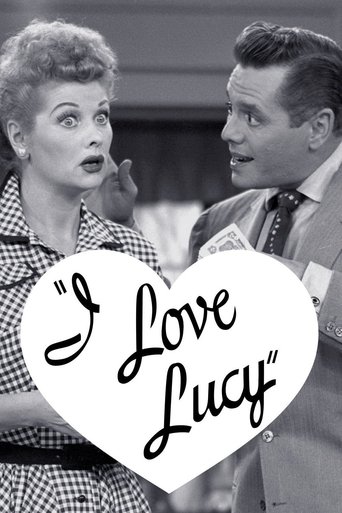
Eleven TV shows complete the catalogue, and the oldest of them shaped the medium. I Love Lucy began in 1951 with Lucille Ball as a New York housewife determined to enter show business and Desi Arnaz as her bandleader husband. It was filmed with three cameras before a live audience, a method still used today, and its 180 episodes include the chocolate factory conveyor belt that every later sitcom has studied. The Honeymooners, with Jackie Gleason as the Brooklyn bus driver Ralph Kramden, made its reputation with just thirty-nine episodes.
The family comedy came next. Leave It to Beaver sees suburban life through the eyes of a small boy across 234 episodes. The Dick Van Dyke Show divides its time between a comedy writer's office and his home, with Mary Tyler Moore as his wife, and is among the best-written programmes of its age. Lassie ran for 591 episodes, the longest of any drama here.
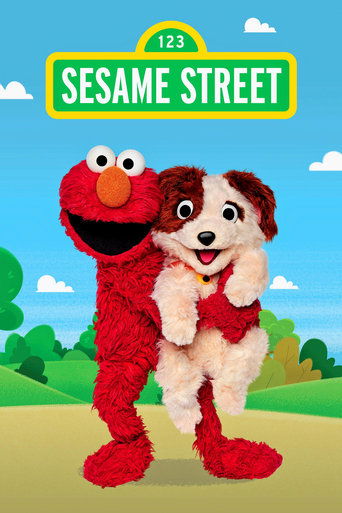
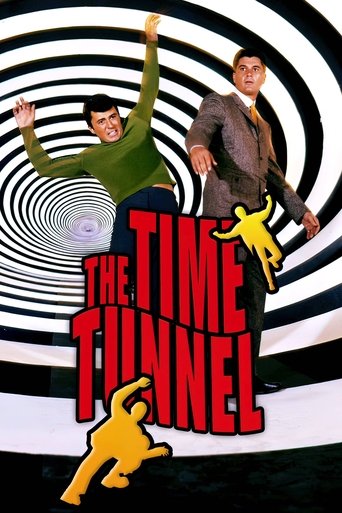
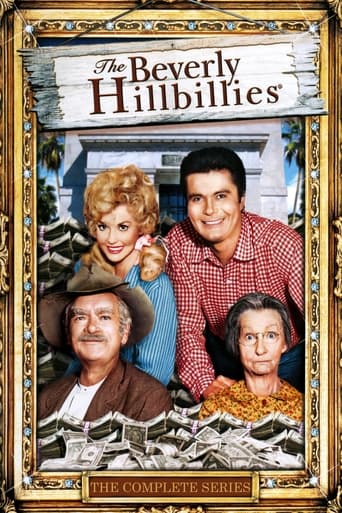
The sixties preferred a far-fetched premise. The Beverly Hillbillies moves a mountain family to a California mansion after oil is found on their land, and Green Acres moves a New York lawyer and his elegant wife in the opposite direction. Gilligan's Island strands seven passengers of a pleasure boat, I Dream of Jeannie gives an astronaut a genie, and The Time Tunnel drops two scientists into a different moment of history each week. Sesame Street, which began in 1969, is the youngest programme in the guide and the one with the most episodes. The classic TV guide introduces all eleven.
The song and dance stars
One shelf follows four performers through eighteen films. Fred Astaire and Ginger Rogers are the heart of it. Apart from their dances together, Rogers is seen in Stage Door, set in a boarding house for actresses, in Bachelor Mother, where a shop assistant is mistaken for the mother of a foundling, and in Vivacious Lady with James Stewart. Astaire dances with Audrey Hepburn in Funny Face and with a hat stand in Royal Wedding.
Gene Kelly brought a more athletic style, seen in Singin' in the Rain, On the Town and Brigadoon. Judy Garland sings in Meet Me in St. Louis and Easter Parade and gives a fine dramatic performance in A Child Is Waiting, as a music teacher at a special school. The song and dance stars page lists the films for each of the four.
Elvis Presley has a small shelf of his own with four films. Blue Hawaii and Fun in Acapulco are holidays with songs, Girls! Girls! Girls! puts him on a fishing boat, and Flaming Star is a serious western that shows what he could do as an actor.
Top rated
The top rated list holds the twenty-one classics that score 7.5 or higher from at least two hundred ratings. Three share first place at 8.1: Singin' in the Rain, The Shop Around the Corner and All About Eve. Four follow at 8.0: The Gold Rush, Citizen Kane, The Red Shoes and 2001: A Space Odyssey.
At 7.9 stand The Circus, Limelight, The Miracle Worker, Roman Holiday and the first of the TV shows, I Love Lucy. It Happened One Night and I Dream of Jeannie have 7.8, and the list continues through Breakfast at Tiffany's, My Man Godfrey, Mary Poppins, The Philadelphia Story, Ninotchka, My Fair Lady and Marty.
The list is a reliable place to begin, and it shows how evenly quality was spread: every decade from the twenties to the sixties is represented, and so are silent comedy, screwball, the musical, the ballet film and science fiction. The top rated page sets the scores out in order.
Directors to follow
The search box makes it easy to follow a director through the decades. Howard Hawks has seven films here, more than almost anyone, and they could hardly differ more: the comedies Twentieth Century, Monkey Business and Man's Favorite Sport?, the flying drama Only Angels Have Wings, the river western The Big Sky, the African adventure Hatari! and the Egyptian spectacle Land of the Pharaohs.
George Cukor, known for the care he took with actors, directed The Philadelphia Story, Born Yesterday, My Fair Lady, David Copperfield and Sylvia Scarlett. Frank Capra is represented by It Happened One Night, Lost Horizon and Lady for a Day. Vincente Minnelli made Meet Me in St. Louis, Brigadoon, The Bad and the Beautiful and Designing Woman, and Stanley Donen co-directed Singin' in the Rain and On the Town with Gene Kelly before making Funny Face and Seven Brides for Seven Brothers on his own.
Robert Stevenson was the most reliable hand at the Disney studio, responsible for Mary Poppins, Old Yeller, The Absent-Minded Professor, Son of Flubber, Darby O'Gill and the Little People and The Gnome-Mobile, and long before that for the Jane Eyre of 1943. Leo McCarey made both The Awful Truth and Make Way for Tomorrow in the single year of 1937, a comedy and a heartbreaker, and when he accepted the Academy Award for the first he remarked that he had been given it for the wrong film.
Famous pairs
Much of the pleasure of old films lies in partnerships. Katharine Hepburn and Spencer Tracy made nine films together, and two of them are here, Woman of the Year and Desk Set. William Powell and Myrna Loy, the screen's most relaxed married couple, appear together in Libeled Lady and The Great Ziegfeld. Cary Grant and Irene Dunne are matched in The Awful Truth, and Grant and Katharine Hepburn in Sylvia Scarlett and The Philadelphia Story.
Lucille Ball and Desi Arnaz, married in life, built I Love Lucy around their own partnership. Jack Lemmon and Walter Matthau became a team in the sixties and went on working together for thirty years; The Odd Couple is the best known of their films. Bob Hope and Bing Crosby, in the Road films, perfected the art of two friends insulting each other with affection.
Some pairs met only once and are remembered for it: Audrey Hepburn and Gregory Peck in Roman Holiday, Audrey Hepburn and Fred Astaire in Funny Face, Julie Andrews and Dick Van Dyke in Mary Poppins, and Marilyn Monroe and Yves Montand in Let's Make Love.
Places on the screen
The studio era built the world on its back lots, and then, in the fifties, went out to film the real thing. Rome is itself in Roman Holiday, Venice in Summertime and Paris in Funny Face. The India of The River, directed by Jean Renoir on the banks of the Ganges, was among the first colour features photographed there. Those Magnificent Men in Their Flying Machines or How I Flew from London to Paris in 25 Hours 11 Minutes stages an air race of 1910 across the English Channel with working replicas of the earliest aeroplanes.
America appears in many moods: the New York of On the Town and Breakfast at Tiffany's, the St. Louis of 1904, the Iowa of State Fair, the small-town New England of Pollyanna and the Hawaii of Blue Hawaii. Britain is seen in the Welsh valleys of John Ford's film, the Scottish islands of I Know Where I'm Going! and the classrooms of To Sir, with Love.
Watching a silent film today
Three films in the catalogue come from the silent era, The Gold Rush, Go West and The Circus, and a first-time viewer may wonder how to approach them. The answer is to treat them as what they were made to be: stories told in pictures and music for a crowded room. They are short, between seventy and ninety-five minutes, and they move quickly. The few title cards carry the plot, and everything else is in the faces and the timing.
Children often take to these films faster than adults, since a tramp sliding about a tilting cabin needs very little explanation. A good plan is to watch with the sound up, because the orchestral scores, in Chaplin's case composed by the comedian himself for later reissues, do much of the work that dialogue would do. After one silent film the conventions feel natural, and the step to the early talkies, The Smiling Lieutenant or Love Me Tonight, is an easy one.
Black and white, and then colour
Roughly the first half of the catalogue is in black and white, and the photography is among its beauties. The deep shadows of Citizen Kane, the silvery ballrooms of the Astaire and Rogers films and the soft close-ups of Garbo in Queen Christina were made by cameramen who painted with light. A viewer new to black and white should begin with a comedy, where the pace leaves little time to miss the colour: It Happened One Night or The Philadelphia Story will do it.
Technicolor, when it came, was treated as an event. Dodge City and The Private Lives of Elizabeth and Essex show the rich process of 1939. The Red Shoes used it a decade later with a boldness that directors still study, and The River carried it to India. By the fifties the screen had grown wide as well: Oklahoma! was photographed in a new large format, and Seven Brides for Seven Brothers filled the full width of CinemaScope with dancers. The sixties are almost entirely in colour, from the cherry blossoms of Mary Poppins to the racing cars of Grand Prix.
Choosing by the time you have
Classic films are often shorter than modern ones, which makes them easy to fit into an evening. The briefest features in the catalogue are The Circus and The Bellboy at seventy-two minutes each and Swiss Miss at seventy-three. Many of the thirties comedies end within ninety minutes, among them My Man Godfrey, The Awful Truth and Bachelor Mother.
For a long afternoon there are the roadshow productions, made to be seen with an interval. The Great Ziegfeld runs for 185 minutes, Grand Prix for 176 and America America, Elia Kazan's account of his uncle's journey from Anatolia to New York, for 174. My Fair Lady and Hello, Dolly! are close behind, and both reward the time.
The TV shows are measured in half hours. An episode of I Love Lucy or The Dick Van Dyke Show takes about twenty-five minutes and stands complete by itself, so the series can be dipped into in any order. A TV show page lists the episodes by season and date, and My Reel keeps the place you mark.
Choosing by the company you keep
With young children, begin with the films that need the least explaining: Mary Poppins, Chitty Chitty Bang Bang, The Absent-Minded Professor, The Incredible Journey and Flipper, the story of a boy and a dolphin in the Florida Keys. The Gnome-Mobile sends two children and their grandfather into a redwood forest to help a family of gnomes, and Little Lord Fauntleroy takes a boy from Brooklyn to an English castle.
Older children and teenagers enjoy the comedies with a caper in them: Those Magnificent Men in Their Flying Machines or How I Flew from London to Paris in 25 Hours 11 Minutes, The Computer Wore Tennis Shoes with a young Kurt Russell, The Trouble with Angels set in a convent school, with Hayley Mills as its chief mischief-maker. Munster, Go Home! sends television's friendliest family of monsters to an English manor house.
For grandparents and grandchildren together, the musicals are the surest choice, since the songs are known to one generation and new to the other. For two adults, a double bill works well: The Philadelphia Story followed by High Society, its musical version of sixteen years later, or Ninotchka followed by Silk Stockings.
Stories told twice
Those double bills point to a habit of the studio era: a good story was told again. The Philadelphia Story became High Society. The Shop Around the Corner became a musical with Judy Garland and, half a century later, a film about electronic mail. Lady for a Day was remade by its own director, and Cheaper by the Dozen, the 1950 comedy with Clifton Webb as an efficiency expert raising twelve children, has been filmed again more than once.
Seeing the first version has a particular pleasure. The jokes are fresh, the performers are creating the parts for the first time, and the later film can be recognised inside the earlier one. Journey to the Center of the Earth, Alice in Wonderland and Titanic all share their names with famous later films, and each title page gives the year so that the right one is chosen.
The studios behind the films
Every title page names the studio, and in this period the name tells a good deal. Metro-Goldwyn-Mayer, with its roaring lion, was the home of polish and of the musical: Singin' in the Rain, Meet Me in St. Louis, Easter Parade and Brigadoon all came from its stages, along with Ninotchka and The Philadelphia Story. RKO was smaller and bolder. It made the Astaire and Rogers films, among them Flying Down to Rio and Shall We Dance, and it gave the young Orson Welles the freedom to make Citizen Kane.
Paramount was the studio of sophistication and of the comedians. Ernst Lubitsch and Preston Sturges worked there, as did Bob Hope, Bing Crosby and Jerry Lewis, and in the fifties it sent Audrey Hepburn to Rome and Paris. Warner Bros. had the Busby Berkeley musicals, the Bette Davis dramas and the Technicolor westerns of Errol Flynn. Columbia, a modest company for much of the thirties, was lifted by Frank Capra, whose It Happened One Night and Lost Horizon were made there, and by comedies such as The Awful Truth and Born Yesterday.
Twentieth Century Fox produced How Green Was My Valley, All About Eve, Desk Set and Hello, Dolly!. Walt Disney's company turned to live action in the fifties and made it a second speciality. In Britain, Ealing Studios gave its name to a whole style of gentle comedy, and the partnership of Powell and Pressburger, who signed their films as The Archers, produced some of the most beautiful colour films of any country. Following a studio through the search box is one more way to find the next classic.
My Reel
The button at the right of the purple band opens My Reel, a personal list of classics to watch. A title is added from the list button on its page, and a TV show also keeps the episode marked as reached. The list lives in the browser on your own device, so it appears instantly, and its page can save everything as a file for safekeeping or for another computer. The My Reel page gives the details.
A reel of five is a good size. One film from each decade and one TV show makes a small festival: The Gold Rush, The Shop Around the Corner, Roman Holiday, The Odd Couple and a few episodes of The Honeymooners. When those are watched, the shelves suggest what to add next.
My Reel is also a useful memory. Classic titles are easily confused, and a list that records what has been seen, and which episode of Leave It to Beaver or Green Acres comes next, saves a good deal of searching. Titles are removed with one press on the list page once they have been enjoyed, which keeps the reel short and current. Families sometimes keep one list on a shared computer, so that each member can add a film during the week and the choice on Saturday evening is already made.
Reading a RetroFlix title page
Each classic on RetroFlix has a page arranged like a card in a film library. The title and the year of release head it, and the poster, often the original artwork, stands alongside. Small tags give the kind of title, the running time and the genres, and each genre tag leads to more of the same. The score is shown out of ten together with the number of ratings it rests on, which matters for older films with smaller audiences. A summary of a few sentences sets up the story and stops before the ending. The cast is listed with the parts they play, followed by the director and the studio, and each name opens the other classics connected with it. A TV show page adds its seasons and every dated episode. The country selector and the purple Watch now button remain near the top on a telephone as on a large screen.
Five ways to begin
A newcomer to classic film might start with laughter: Singin' in the Rain is the usual recommendation and deserves to be. A second way is through a star. Choose Cary Grant, and The Philadelphia Story, The Awful Truth, Only Angels Have Wings and Mr. Blandings Builds His Dream House make a fine week.
A third way is through a year, and 1939 is the obvious one. A fourth is through a place: Rome, Paris and Venice each have a film waiting. The fifth is the simplest of all, which is to open the top rated list and take the first title that is new to you.
Whichever way is chosen, the catalogue is small enough to know well. One hundred and ninety titles can be explored in a year at an easy pace, and by the end a viewer will recognise the faces, the studios and the styles of four decades.
RetroFlix: common questions
Questions
What is RetroFlix?
RetroFlix is a guide to 190 classic films and old TV shows made between 1925 and 1969. Each has a page with its cast, rating and summary, and a Watch now button that leads to official services.
How do I watch a classic I find on RetroFlix?
Open the title page, choose your country and press the purple Watch now button. JustWatch then shows the subscription, rental, purchase and free services that carry the title in that country.
How many films and TV shows does RetroFlix list?
It lists 179 films and eleven TV shows. The films run to about 317 hours and the TV shows to more than 4,700 dated episodes.
What is the oldest title on RetroFlix?
The oldest are two silent comedies of 1925: The Gold Rush with Charlie Chaplin and Go West with Buster Keaton. The newest titles date from 1969.
How are the RetroFlix decades divided?
There are forty-three titles from 1925 to 1939, thirty-three from the 1940s, fifty-four from the 1950s and sixty from the 1960s.
Which RetroFlix titles have the highest scores?
Singin' in the Rain, The Shop Around the Corner and All About Eve share 8.1. The Gold Rush, Citizen Kane, The Red Shoes and 2001: A Space Odyssey have 8.0.
Are the classics on RetroFlix suitable for children?
Every title was screened by hand for a family audience. The family shelf holds twenty-five films chosen for all ages, and the musicals and the clowns are also good choices for young viewers.
Which TV shows are on RetroFlix?
There are eleven, among them I Love Lucy, The Honeymooners, The Dick Van Dyke Show, Leave It to Beaver, Gilligan's Island, I Dream of Jeannie and Sesame Street.
What is My Reel?
My Reel is your own list of classics to watch, with the episode reached in each TV show. It is kept in the browser on your device and can be saved as a file.
Where does RetroFlix get its information?
Posters, ratings, casts and episode data are supplied by TMDB, and the links to services come from JustWatch. The guide and help pages are written by the RetroFlix editorial team.
